
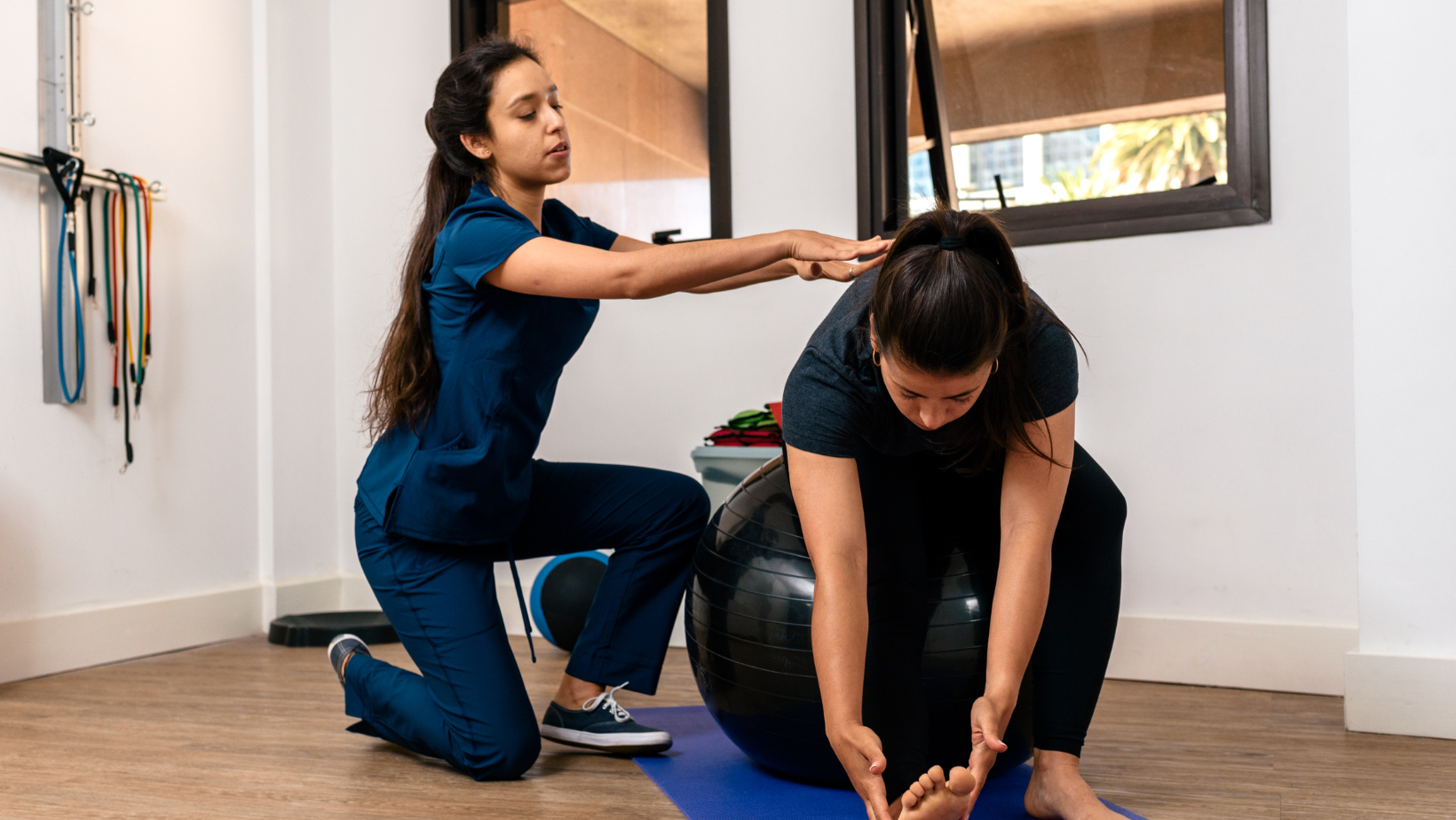
Supporting Recovery Through Personalised Care at Home
Physical recovery is often a gradual process that requires professional guidance, consistency, and a treatment plan tailored to individual needs. Whether someone is recovering from surgery, managing a chronic condition, or dealing with mobility challenges, access to quality rehabilitation can significantly influence recovery outcomes.
Traditional physiotherapy clinics continue to play an important role in healthcare, but many individuals face practical challenges when attending regular appointments. Travel difficulties, physical limitations, and busy schedules can sometimes create barriers to receiving consistent treatment.
As a result, home physiotherapy in Singapore has become an increasingly popular option for individuals seeking professional rehabilitation services in a more convenient setting. By bringing physiotherapy directly to the patient’s residence, treatment can be delivered in an environment that supports comfort, familiarity, and personalised care.
Why Physiotherapy Plays a Vital Role in Recovery
Physiotherapy focuses on restoring movement, improving physical function, and helping individuals regain independence. Through targeted exercises, manual therapy techniques, and movement education, physiotherapists address the underlying causes of pain and mobility limitations rather than simply managing symptoms.
Treatment plans are developed based on a patient’s specific condition, physical abilities, and recovery goals. This personalised approach allows physiotherapy to support a wide range of health concerns, from sports injuries to neurological rehabilitation.
Benefits of Receiving Physiotherapy at Home
Greater Convenience and Accessibility
One of the most obvious advantages of home based physiotherapy is convenience. Travelling to appointments can be challenging for elderly individuals, patients recovering from surgery, or those experiencing significant pain and mobility restrictions.
Receiving treatment at home removes transportation concerns and allows patients to focus entirely on their rehabilitation journey.
A Comfortable and Familiar Environment
Many people feel more relaxed in their own homes than in a clinical setting. This sense of comfort can contribute to a more positive rehabilitation experience and encourage greater participation during therapy sessions.
A familiar environment may also reduce anxiety for individuals recovering from major medical procedures or managing long term health conditions.
Personalised Assessment of Daily Activities
Home visits allow physiotherapists to evaluate how patients move within their everyday surroundings. They can identify potential hazards, assess mobility challenges, and recommend practical adjustments that support safety and independence.
This real world assessment often provides valuable insights that may not be apparent during clinic based sessions.
Conditions Commonly Treated Through Home Physiotherapy
Post Surgical Rehabilitation
Patients recovering from knee replacements, hip replacements, spinal surgery, or other orthopaedic procedures often benefit from structured rehabilitation programmes. Physiotherapy helps restore strength, improve flexibility, and support a gradual return to normal activities.
Neurological Conditions
Individuals recovering from strokes or living with neurological disorders may require specialised exercises that improve balance, coordination, and movement control. Consistent physiotherapy can play an important role in maintaining function and enhancing quality of life.
Musculoskeletal Pain and Injuries
Back pain, neck pain, joint stiffness, tendon injuries, and muscle strains are common conditions treated through physiotherapy. A tailored treatment programme can help reduce discomfort while improving overall mobility and function.
Elderly Mobility Support
Age related changes can affect balance, strength, and independence. Physiotherapy helps older adults maintain mobility, reduce fall risks, and remain active for longer periods.
The Importance of Consistent Rehabilitation
Recovery rarely happens overnight. Most conditions require ongoing treatment, regular exercise, and gradual progression to achieve lasting improvements.
Consistency allows physiotherapists to monitor progress, adjust treatment plans when necessary, and ensure patients continue moving toward their recovery goals. Missing appointments or interrupting therapy can slow progress and potentially increase recovery times.
Home based physiotherapy can help improve treatment adherence by making sessions easier to attend and more accessible for individuals with mobility limitations.
How Physiotherapists Create Individualised Treatment Plans
Every patient presents a unique combination of symptoms, physical abilities, and recovery objectives. During the initial assessment, physiotherapists evaluate factors such as strength, flexibility, balance, posture, movement patterns, and overall function.
Based on these findings, a personalised treatment plan is developed. This may include therapeutic exercises, manual therapy techniques, mobility training, balance exercises, pain management strategies, and education designed to support long term health and recovery.
Regular reviews ensure the programme continues to meet the patient’s changing needs as progress is achieved.
Conclusion
As healthcare becomes increasingly focused on patient centred care, home based rehabilitation services are expected to continue growing in importance. The ability to receive professional physiotherapy within a familiar environment offers practical benefits while supporting consistent treatment and personalised recovery.
For individuals seeking convenient rehabilitation solutions that fit their specific circumstances, home physiotherapy in singapore provides an effective way to access professional care while maintaining comfort, independence, and continuity throughout the recovery process.